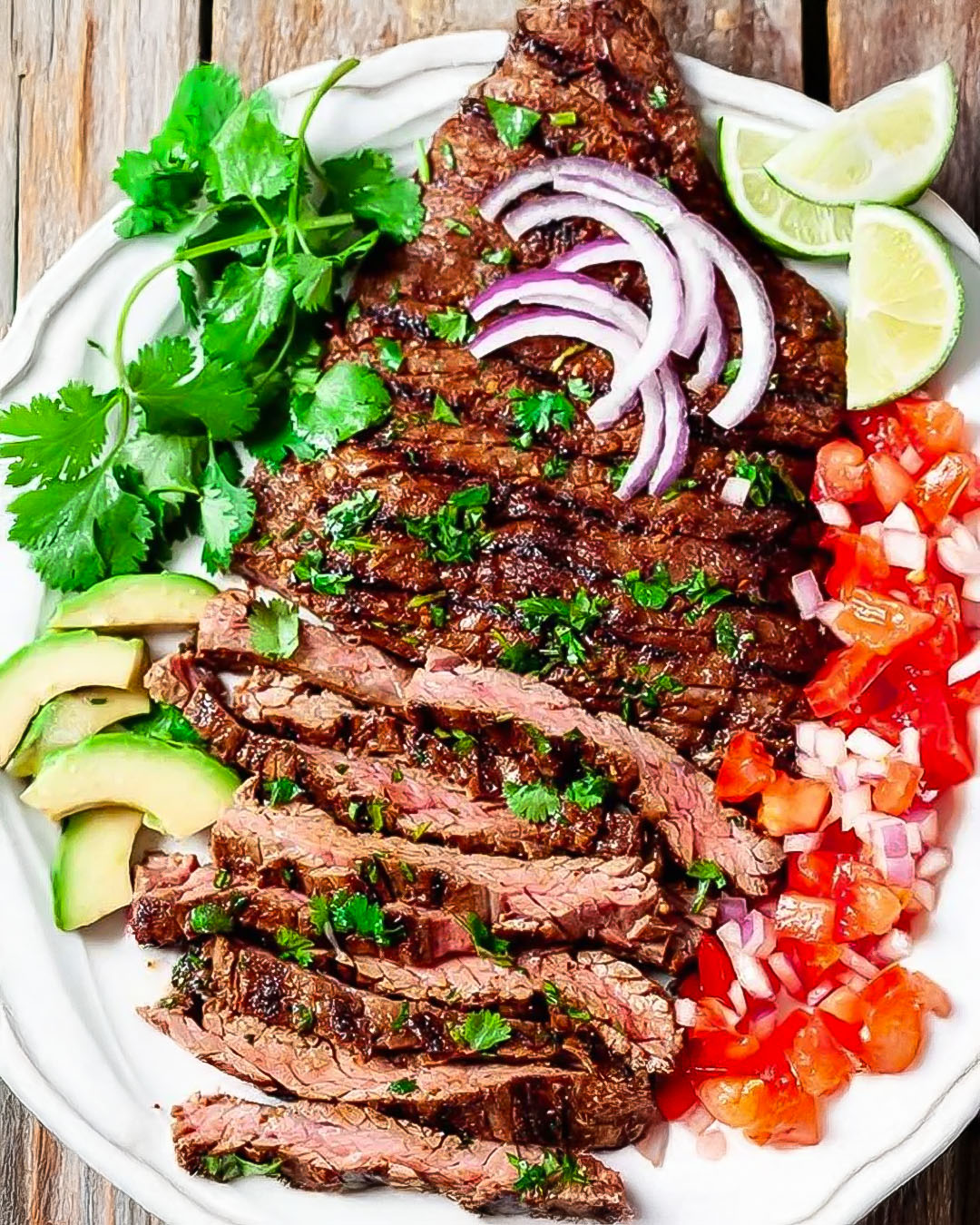
Carne Asada Secrets: Flank or Skirt Steak for Juicy Results
The sizzle of meat on a hot grill, the intoxicating aroma of citrus and spices, and the promise of tender, flavorful bites – this is the magic of authentic Carne Asada. More than just a dish, Carne Asada is a culinary celebration, a cornerstone of Mexican cuisine that transforms any gathering into a festive occasion. From backyard barbecues to game day feasts or a simple, sun-drenched weeknight dinner, its irresistible appeal lies in its combination of perfectly charred edges and a succulent, juicy interior. But achieving this grilled perfection hinges on a few crucial elements, none more debated than the choice of steak: flank or skirt?
This comprehensive guide will demystify the art of Carne Asada, diving deep into the nuances of selecting the ideal cut of beef, crafting a show-stopping marinade, and mastering the grilling technique to deliver an unforgettable Mexican culinary experience right in your own home.
The Soul of Carne Asada: Crafting the Perfect Marinade
Before the grill even heats up, the true essence of any exceptional Carne Asada begins with its marinade. This isn't just a flavor enhancer; it's a tenderizer and an aromatic symphony that sets the stage for the entire dish. The best
authentic Carne Asada marinade is a vibrant concoction of fresh, zesty ingredients.
Here’s a breakdown of the essential components and why they matter:
- Fresh Citrus Juices (Orange, Lime, Lemon): The holy trinity of citrus is non-negotiable. Orange juice adds a subtle sweetness and depth, while lime and lemon juices provide the sharp, tangy acidity necessary to tenderize the meat fibers. Look for heavy, fragrant fruits – they yield the most juice!
- Aromatics (Garlic, Cilantro, Jalapeño):
- Garlic: Freshly minced garlic cloves are a must. They infuse the steak with a pungent, earthy base note.
- Cilantro: Don't just use the leaves; the tender stems hold incredible flavor too. Fresh, bright green cilantro adds a herbaceous, peppery zest that is unmistakably Mexican.
- Jalapeño: For a kick, leave some seeds in; for a milder flavor, remove them. Fresh jalapeño provides a clean, green heat that complements the citrus beautifully.
- Vinegar (Apple Cider Vinegar): While white vinegar works, apple cider vinegar offers a subtly fruitier tang that enhances the overall flavor profile without being overpowering. It contributes further to the meat's tenderization.
- Olive Oil: A good quality extra-virgin olive oil helps carry the fat-soluble flavors into the meat, prevents sticking to the grill, and promotes a beautiful sear.
- Spices (Ground Cumin, Kosher Salt, Freshly Ground Black Pepper):
- Cumin: Earthy and warm, cumin is a quintessential spice in Mexican cuisine. Ensure it's fresh for the best aroma.
- Salt & Pepper: Kosher salt provides a clean, consistent seasoning, and freshly ground black pepper offers a superior aroma and bite compared to pre-ground versions.
The Magic of Marination Time: This isn't a step to rush. The acids in the citrus and vinegar break down tough muscle fibers, while the aromatics and spices penetrate the meat, infusing it with flavor. A minimum of 1 hour is recommended, but for truly outstanding results, aim for 4-8 hours. You can marinate for up to 12 hours, but be cautious with thinner cuts, as prolonged exposure to acids can sometimes make the meat mushy. The aroma alone, as the juices and herbs meld, is a sensory pleasure even before it hits the grill!
Flank vs. Skirt Steak: Decoding the Best Cut for Carne Asada
The debate over the best cut for Carne Asada is as lively as any backyard barbecue discussion. While some recipes might suggest sirloin or even tenderloin, the overwhelming consensus, and the cuts that truly define the authentic experience, are
flank steak and
skirt steak. Both are relatively thin, fibrous cuts that benefit immensely from marinating and quick, high-heat grilling, but they offer distinct characteristics.
Skirt Steak: The Connoisseur's Choice
Often hailed as the preferred cut by chefs and purists for the ultimate Carne Asada recipe, skirt steak is celebrated for its rich, beefy flavor and tenderness, particularly the
outside skirt steak.
- Characteristics: Skirt steak comes from the diaphragm muscle of the cow. There are two main types:
- Outside Skirt Steak: This is generally considered superior. It's longer, narrower, and has a more defined grain and more consistent marbling (intramuscular fat), which contributes significantly to its flavor and tenderness.
- Inside Skirt Steak: Wider and flatter, with a slightly tougher texture and less marbling than the outside cut. It's still excellent for Carne Asada but might require a bit more attention to tenderness.
Both types are known for their strong, robust beef flavor and readily absorb marinades.
- Texture & Slicing: Skirt steak has a very prominent, coarse grain. It absolutely must be sliced thinly against the grain after cooking to achieve maximum tenderness. If sliced with the grain, it will be chewy.
Flank Steak: The Reliable Contender
Flank steak, cut from the abdominal muscles, is a fantastic and often more readily available alternative to skirt steak.
- Characteristics: Flank steak is leaner, broader, and flatter than skirt steak. It has a distinctive, visible grain running along its length. While it doesn't have as much marbling as skirt steak, its beefy flavor is still robust, and it readily soaks up marinades.
- Texture & Slicing: Similar to skirt steak, flank steak has tough fibers that require proper slicing. Slicing thinly against the grain is critical to prevent it from being overly chewy.
Which One to Choose?
If you can find it,
outside skirt steak is often the top recommendation for its superior flavor and inherent tenderness when cooked correctly. However, flank steak is a highly capable and delicious substitute. Both cuts are relatively thin, allowing them to cook hot and fast, developing that coveted caramelized crust while remaining tender inside. Regardless of your choice, look for a cut with good marbling (especially for flank) and ensure you have a sharp knife ready for post-grilling slicing.
Mastering the Grill: Achieving that Signature Char and Tenderness
The marinade might be the soul, and the cut might be the body, but the grill is where Carne Asada truly comes alive. Achieving the perfect balance of a smoky, charred exterior and a juicy, tender interior requires a hot grill and precise timing.
Prepping for Perfection:
*
High Heat is Key: Carne Asada is meant to be cooked hot and fast. Preheat your grill to a medium-high to high flame. This intense heat is what creates those beautiful grill marks and the irresistible caramelized crust.
*
Clean and Oiled Grates: Ensure your grill grates are clean to prevent sticking and allow for even searing. Lightly oil the grates before placing the steak.
Grilling Technique:
*
Hot and Fast: Place the marinated steak directly over the hottest part of the grill. Depending on the thickness of your steak, grill for approximately 3-5 minutes per side.
*
Target Temperature: For an ideal medium-rare Carne Asada, aim for an internal temperature of 130°F (54°C). This typically takes 7 to 10 minutes total for thinner cuts like skirt or flank. Use an instant-read thermometer for accuracy. Remember, the steak will continue to cook slightly after it's removed from the grill.
*
Developing the Crust: Resist the urge to constantly move the steak. Let it sear undisturbed for a few minutes on each side to develop that crucial flavorful crust. Don't worry if it looks slightly blackened in spots – that's the "asada" (grilled/roasted) part!
* *For a quick and efficient cooking method, check out our guide on
Easy Grilled Carne Asada: Perfect Steak in Just 20 Minutes.*
The Crucial Resting Period:
Once the steak reaches your desired doneness, remove it from the grill and place it on a cutting board, loosely tented with foil. Let it rest for at least 5-10 minutes. This step is non-negotiable! Resting allows the juices, which have been pushed to the center of the steak during cooking, to redistribute evenly throughout the meat, resulting in a more tender and juicy final product.
Slicing Against the Grain:
After resting, locate the grain of the meat (the direction the muscle fibers run). Using a sharp knife, slice the Carne Asada thinly *against the grain* at a slight diagonal. This shortens the muscle fibers, making each bite incredibly tender and easy to chew.
Beyond the Grill: Serving and Enjoying Your Carne Asada
With your perfectly grilled, thinly sliced Carne Asada ready, the possibilities for enjoyment are endless. It's the kind of versatile dish that shines in many forms.
*
Street Tacos: The most iconic way to enjoy Carne Asada. Serve with warm corn tortillas, a generous sprinkle of fresh cilantro and diced onion, a squeeze of lime, and your favorite salsa (pico de gallo, salsa roja, or guacamole).
*
Fajitas or Burritos: Slice it into strips and pile it into warm tortillas with grilled peppers and onions, cheese, and crema.
*
Plates: Serve alongside traditional Mexican rice, refried beans, or a vibrant salad.
*
Quesadillas or Nachos: A delicious way to use up any leftovers (if there are any!).
Carne Asada is more than just a meal; it's an experience that evokes the warmth and vibrancy of Mexican culture. It's the kind of dish that turns any occasion, big or small, into a celebration.
Conclusion
Whether you opt for the robust flavor of skirt steak or the reliable charm of flank steak, mastering Carne Asada is an incredibly rewarding culinary journey. From the aromatic symphony of the citrus marinade to the intense sizzle on the grill and the final, tender slice, each step contributes to a truly authentic and unforgettable Mexican feast. By understanding the nuances of your chosen cut, respecting the marination time, and confidently handling the grill, you'll unlock the secrets to a juicy, flavorful Carne Asada that will transport your taste buds straight to the best taco stands in Mexico. So, fire up that grill, embrace the aromas, and get ready to create your own Carne Asada masterpiece!